
ITALIANO
Lapu o Nā Pō
Anime del crepuscolo
I Lapu sono creature che esistono sul confine tra il mondo dei vivi e quello degli spiriti. Nati da un legame antico con le ombre sacre, questi esseri non sono né morti né completamente vivi: sono “chiamati dal crepuscolo”, custodi delle memorie perdute e delle verità nascoste nel buio. Si muovono tra i sogni e le tenebre come vegliardi silenziosi, guidati da una missione spirituale che neppure loro ricordano fino in fondo. Si dice che il loro tocco sia freddo, ma la loro presenza scaldi l’anima.
Tratti dei Lapu
Tipo di creatura. Sei una creatura Umanoide (Spirito).
Taglia. La tua taglia è Media.
Velocità. La tua velocità base è 30 piedi.
Retaggio dell’Ombra Vivente
Passo Silenzioso. Ottieni competenza in Furtività. Inoltre, non lasci tracce quando ti muovi in ambienti naturali e sei considerato sempre leggero ai fini del calcolo del carico.
Visione dello Spirito. Hai scurovisione fino a 60 piedi. Quando guardi nel buio magico o naturale, puoi distinguere anche presenze eteree o invisibili se si trovano entro 10 piedi da te.
Sussurri dai Morti. Conosci il trucchetto Thaumaturgy (Taumaturgia). Al 3° livello, puoi lanciare una volta per riposo lungo Detect Thoughts (Individuazione dei Pensieri). Al 5° livello, puoi lanciare una volta per riposo lungo Speak with Dead (Conversare con i Morti). La caratteristica da incantatore per questi incantesimi è Saggezza.
Semi-Incorporeo. Una volta per riposo lungo, quando subisci danni da un attacco, puoi usare la tua reazione per diventare parzialmente incorporeo, dimezzando il danno subìto. Puoi farlo prima di conoscere il risultato dell’attacco.
Tocco di Nebbia. Hai vantaggio ai tiri salvezza contro essere afferrato o trattenuto, e puoi passare attraverso spazi larghi fino a 5 cm senza dover spendere movimento aggiuntivo, se non indossi armatura pesante.
Lingue. Puoi parlare, leggere e scrivere Comune e una lingua ancestrale (Celestiale, Abissale o Primordiale, a scelta al momento della creazione del personaggio).
Lore dei Lapu o Nā Pō
Anime del Crepuscolo
Nomi e Soprannomi
I Lapu ricevono nomi in sogno, spesso da spiriti o antenati che sussurrano all’anima del neonato nei primi giorni di vita. Questi nomi sono fluidi, musicali e carichi di significato. Nomi comuni sono Hōkūloa (“stella lontana”), Po‘ewai (“oscurità fluente”), Mauli (“respiro dell’anima”) o Hiwahiwa (“colei che veglia”). I soprannomi vengono invece conquistati: spesso appaiono dopo esperienze oniriche o spirituali intense e diventano parte dell’identità del Lapu, come Olepō (“eco del buio”), Nāna‘ia (“lo scomparso”) o Kapuone (“ombra sulla sabbia”). I nomi sono intimi e sacri; molti Lapu si presentano solo con il soprannome, custodendo il vero nome come un legame tra il proprio spirito e l’aldilà.
Aspetto Fisico
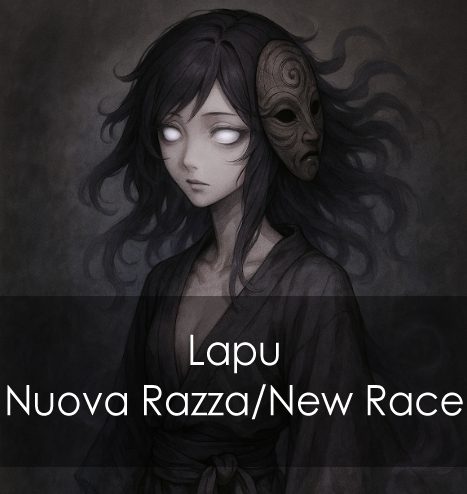
I Lapu appaiono eterei anche quando hanno forma solida. La loro pelle è pallida, traslucida o con riflessi lunari, e sembra assorbire la luce piuttosto che rifletterla. I capelli tendono a muoversi lentamente come fossero immersi nell’acqua o nel fumo, spesso neri, argentei o violacei. Gli occhi sono opachi o lievemente luminosi, privi di pupille distinte, come se guardassero da lontano. Il loro corpo è sottile, a volte troppo per essere del tutto naturale, e alcuni lasciano un debole odore di nebbia o ceneri d’incenso al loro passaggio. Nei momenti di forte emozione, il loro contorno corporeo può sfumare, diventando nebbioso o tremolante.
Personalità
I Lapu sono enigmatici, profondamente introspettivi e parlano con parsimonia. Per loro, ogni parola ha peso, ogni silenzio è un atto deliberato. Non mostrano emozioni in modo aperto, ma sono estremamente sensibili a quelle altrui. Portano dentro di sé un senso di malinconia che li accompagna come un’eco costante, ma questa tristezza non è disperazione—è saggezza. Amano l’arte, i simboli, le storie non dette, e vivono cercando di capire perché sono “tornati” dal velo tra i mondi. Anche se sembrano distanti, sono profondamente empatici e disposti a proteggere chi li accetta.
Società
I Lapu si organizzano in piccoli gruppi chiamati Hāpunapō, comunità silenziose e isolate che sorgono in luoghi dove il velo tra i mondi è più sottile: rovine invase da muschio, caverne con fiumi di nebbia, alberi sacri piantati su antiche tombe. Non hanno una gerarchia rigida: ogni Lapu è considerato una voce degli spiriti, e le decisioni vengono prese attraverso lunghi riti di meditazione collettiva chiamati Pōkumu. Il sapere è custodito in canti funebri, dipinti simbolici e pergamene scritte su pelli d’ombra. I giovani vengono educati a riconoscere presagi, interpretare sogni e a muoversi tra il mondo tangibile e quello invisibile.
Terre Natie
I Lapu non sono “nati” nel senso comune del termine. Molti affermano di essersi svegliati in luoghi di passaggio tra vita e morte: sulle rive di laghi oscuri, in letti vuoti, o nel cuore di antichi templi. Altri sono stati trovati da pellegrini o veggenti, dormienti ma vivi, coperti di rugiada notturna. I Lapu sentono una connessione profonda con i luoghi di confine: paludi, cimiteri, crepuscoli infiniti, notti senza stelle. Si dicono protettori di queste terre e agiscono come guardiani silenziosi delle soglie tra i mondi.
Linguaggi
Oltre al Comune, ogni Lapu conosce una lingua ancestrale scelta alla nascita spirituale: Celestiale, Abissale o Primordiale, a seconda della sua affinità spirituale. Inoltre, tra di loro comunicano spesso in modo non verbale, tramite gesti, sogni condivisi o simboli disegnati su sabbia e nebbia. Si dice che i Lapu possano percepire parole non dette e udire le ultime frasi sussurrate dai morenti.
Cultura e Tradizioni
Ogni azione per un Lapu è un rito. Si alzano con il sorgere dell’ombra, danzano nel buio per ringraziare gli antenati e compongono poesie non da leggere, ma da respirare. I sogni sono sacri: esistono intere festività dedicate all’interpretazione dei sogni profetici. Le maschere rituali sono centrali: ogni Lapu ne possiede almeno una, scolpita in legno d’albero morto e dipinta con pigmenti lunari. Indossarle significa incarnare uno spirito guida o parlare in nome dei defunti. La musica è ipnotica, fatta di tamburi lenti, soffi su conchiglie e canti corali eseguiti in penombra.
Religione
I Lapu non venerano dèi nel senso tradizionale. Credono in un Grande Velo, una forza cosmica che separa e connette ogni forma di vita e morte. Gli spiriti sono per loro non entità da temere, ma compagni, consiglieri, custodi. I Kūkūlehua, sacerdoti del velo, non guidano le anime—le ascoltano. I riti religiosi avvengono di notte, sotto la luna nuova o nel totale silenzio. Le offerte sono fatte di ricordi, versi sussurrati, oppure oggetti simbolici lasciati sospesi tra i rami, le onde o il fumo.
Economia
I Lapu non usano monete. Il loro scambio avviene tramite ricordi cristallizzati, oggetti intrisi di significato, oppure “ombre legate”, pensieri o sogni ceduti in dono rituale. Le pergamene scritte da un Lapu, o un sigillo spirituale inciso da uno sciamano del crepuscolo, possono valere più di un lingotto d’oro. Tuttavia, raramente commerciano con altri popoli, preferendo scambiare solo con coloro che rispettano il silenzio e l’invisibile.
Relazioni con Altre Razze
Le altre razze considerano i Lapu con timore e riverenza. Gli elfi li ascoltano con rispetto, i nani li evitano per superstizione, gli umani sono divisi tra fascino e diffidenza. I tiefling e gli aasimar trovano spesso un legame spirituale con loro, e i chierici li cercano come oracoli silenziosi. I Lapu non cercano guerra né alleanze, ma chi si dimostra degno può guadagnarsi una guida eterna nel buio.
Ecologia
Sensi
I Lapu possiedono una percezione extrasensoriale unica: avvertono presenze invisibili, variazioni nell’aura delle persone, e luoghi “carichi di spirito”. Quando dormono, ascoltano sussurri dall’aldilà. Il loro senso del tempo è diverso: alcuni sembrano vivere in più piani di esistenza simultaneamente.
Dieta
Mangiano poco e con lentezza. Preferiscono cibi freddi, raccolti di notte o cucinati con fuoco sacro. Alcuni si nutrono solo di erbe rituali, nebbia infusa o frutti lunari. Non cacciano mai e non consumano carne proveniente da creature che “portano ancora memoria”.
Sonno
Il sonno per i Lapu è uno stato sacro, durante il quale camminano tra sogni altrui, memorie ancestrali e visioni profetiche. Spesso dormono da seduti, circondati da oggetti sacri o simboli di protezione. Si dice che, se disturbati nel sonno, possano rivelare verità nascoste o maledire con una parola.
Riproduzione
Rara e spirituale, la nascita di un Lapu è considerata un evento cosmico. A volte nascono da coppie miste, altre volte appaiono misteriosamente nei pressi di templi o pozzi sacri. Crescono rapidamente nei primi anni, poi rallentano e sembrano non invecchiare mai veramente.
Popolazione
I Lapu sono pochissimi. Si pensa che il loro numero sia legato all’equilibrio tra vita e morte: ne esiste uno per ogni anima dimenticata. Non fondano nazioni, ma si spostano come messaggeri tra mondi, lasciando dietro di sé solo sogni e tracce effimere.
Amore
Per i Lapu l’amore è uno specchio d’anima. I legami sono rari ma profondi, e si intrecciano prima nei sogni, poi nel corpo. Un’unione lapu è sempre rituale, sancita da sogni condivisi e simboli speculari tatuati nel cuore (e a volte anche sulla pelle).
Morte
Quando un Lapu muore, il suo corpo si dissolve lentamente in nebbia o si pietrifica in forma di statua silenziosa. Si dice che il suo spirito rimanga vicino, legato a ciò che non ha ancora svelato. Le comunità Lapu tengono viva la memoria dei defunti attraverso sussurri, danze lente e oggetti sospesi nel tempo.
Voci e Leggende
Si narra di un Lapu che danzò per mille notti per tenere sigillato un portale dimenticato. Di una Lapu cieca che “vede” l’anima di chiunque incontri. Alcuni sostengono che ogni volta che nasce una stella cadente, un Lapu ha terminato il proprio compito e ha attraversato il Velo per sempre.
ENGLISH
Lapu o Nā Pō
Souls of the Twilight
Lapu are beings who dwell on the border between the world of the living and the realm of spirits. Born from an ancient bond with sacred shadows, they are neither truly alive nor fully dead: they are “called by twilight,” keepers of lost memories and truths hidden in the dark. They move through dreams and dusk like silent elders, guided by a spiritual mission they themselves may no longer fully remember. It is said that their touch is cold, but their presence warms the soul.
Lapu Traits
Creature Type. You are a Humanoid (Spirit).
Size. Your size is Medium.
Speed. Your base walking speed is 30 feet.
Heritage of the Living Shadow
Silent Step. You gain proficiency in Stealth. You leave no tracks in natural environments and are always considered to be carrying a light load for encumbrance purposes.
Spirit Sight. You have darkvision out to 60 feet. While looking into magical or natural darkness, you can detect ethereal or invisible creatures within 10 feet of you.
Whispers of the Dead. You know the Thaumaturgy cantrip. At 3rd level, you can cast Detect Thoughts once per long rest. At 5th level, you can cast Speak with Dead once per long rest. Wisdom is your spellcasting ability for these spells.
Semi-Incorporeal. Once per long rest, when you take damage from an attack, you can use your reaction to become partially incorporeal, reducing the damage taken by half. You may use this before knowing the outcome of the attack roll.
Mist Touch. You have advantage on saving throws against being grappled or restrained. You can squeeze through spaces as narrow as 2 inches wide without expending additional movement, provided you aren’t wearing heavy armor.
Languages. You can speak, read, and write Common and one ancestral language of your choice: Celestial, Abyssal, or Primordial.
Lore of the Lapu o Nā Pō
Souls of the Twilight
Names and Nicknames
Lapu receive their names in dreams, often whispered to them by spirits or ancestors during their first days of life. These names are fluid, musical, and filled with meaning. Common names include Hōkūloa (“distant star”), Po‘ewai (“flowing darkness”), Mauli (“breath of the soul”), and Hiwahiwa (“the watcher”). Nicknames are earned through spiritual or dreamlike experiences, becoming part of a Lapu’s identity—names like Olepō (“echo of the dark”), Nāna‘ia (“the vanished”), or Kapuone (“shadow on the sand”). Names are intimate and sacred; many Lapu use only their nickname, guarding their true name as a personal tether to the afterlife.
Physical Appearance
Lapu appear ethereal even when solid. Their skin is pale, translucent, or moonlit, and seems to absorb light instead of reflecting it. Their hair moves slowly, as if underwater or in smoke, often black, silver, or violet in hue. Their eyes are opaque or faintly glowing, lacking visible pupils, as if gazing from afar. Their bodies are slender—sometimes unnaturally so—and some leave behind faint scents of mist or incense. In moments of strong emotion, their edges blur and flicker like fog.
Personality
Lapu are enigmatic, deeply introspective, and speak sparingly. To them, every word carries weight, and every silence is intentional. They rarely express emotions openly but are highly attuned to those of others. A constant echo of melancholy accompanies them—not despair, but wisdom. They cherish art, symbols, unspoken stories, and live seeking to understand why they “returned” from the veil between worlds. Though distant at times, they are deeply empathetic and will protect those who accept them.
Society
Lapu organize into small groups called Hāpunapō—quiet, secluded communities found where the veil between worlds is thin: moss-covered ruins, mist-filled caves, sacred trees rooted in ancient graves. They have no rigid hierarchy; every Lapu is considered a voice of the spirits. Decisions are made through long rituals of collective meditation known as Pōkumu. Knowledge is preserved in funeral chants, symbolic paintings, and scrolls written on “shadowed hides.” The young are taught to read omens, interpret dreams, and navigate the tangible and intangible realms.
Homeland
Lapu are not “born” in the usual sense. Many say they awoke in liminal places between life and death: by dark lakes, in empty beds, or within ancient temple ruins. Others were found by seers or wanderers, asleep but alive, covered in nocturnal dew. Lapu are drawn to thresholds—swamps, graveyards, endless twilights, moonless nights. They claim these places as home, acting as silent sentinels guarding the borderlands between realms.
Languages
In addition to Common, every Lapu knows one ancestral language—Celestial, Abyssal, or Primordial—chosen at their spiritual awakening. They also frequently communicate nonverbally among themselves, through gestures, shared dreams, or symbols drawn in sand and fog. Some say they can perceive unspoken words and hear the last whispers of the dying.
Culture and Traditions
Every act to a Lapu is a rite. They rise with the dusk, dance in darkness to honor the ancestors, and compose poetry meant to be breathed, not read. Dreams are sacred—there are entire festivals dedicated to interpreting prophetic dreams. Ritual masks are central: each Lapu owns at least one, carved from deadwood and painted with moonlit pigment. Wearing them means invoking a spirit guide or speaking for the departed. Their music is hypnotic—slow drums, shell-blown tones, and soft chants sung in half-light.
Religion
Lapu do not worship gods in the traditional sense. They believe in a Great Veil, a cosmic force that separates and connects all forms of life and death. Spirits are not to be feared but welcomed as companions, advisors, and guardians. The Kūkūlehua, veil-priests, do not guide souls—they listen to them. Rituals are held at night, under new moons or in total silence. Offerings include memories, whispered verses, or symbolic items suspended in trees, smoke, or waves.
Economy
Lapu do not use coin. Their exchange system relies on crystallized memories, objects infused with meaning, or “bound shadows”—thoughts or dreams ritually gifted. A scroll written by a Lapu, or a spirit seal carved by a twilight shaman, may be worth more than a bar of gold. They rarely trade with other peoples, preferring exchanges only with those who honor silence and the unseen.
Relations with Other Races
Other races treat the Lapu with reverence or fear. Elves listen to them with respect, dwarves avoid them out of superstition, and humans are torn between fascination and mistrust. Tieflings and aasimar often feel a spiritual bond with them, and clerics seek them out as silent oracles. Lapu neither seek war nor alliances, but those who prove worthy may gain an eternal guide in the dark.
Ecology
Senses
Lapu possess unique extrasensory perception: they can sense invisible beings, shifts in auras, and “spirit-laden” places. While sleeping, they hear whispers from beyond. Their sense of time is different—some seem to exist across multiple planes at once.
Diet
They eat little and slowly. They prefer cold foods, harvested at night or cooked with sacred fire. Some subsist only on ritual herbs, infused mist, or “moon-grown” fruits. They never hunt and avoid consuming meat from beings that “still carry memory.”
Sleep
Sleep is a sacred state for Lapu, during which they walk among others’ dreams, ancestral memories, and prophetic visions. They often sleep seated, surrounded by sacred items or protective symbols. It is said that if disturbed, they may reveal hidden truths—or utter curses with a single word.
Reproduction
Rare and mystical, the birth of a Lapu is a cosmic event. Sometimes they are born to mixed-race couples, other times they simply appear near temples or sacred wells. They grow quickly in early years and then slow, seeming never to age again.
Population
Lapu are exceedingly rare. It is believed their number is bound to the balance of life and death: one for every forgotten soul. They do not build nations but move like messengers between worlds, leaving behind only dreams and fleeting traces.
Love
For a Lapu, love is a mirror of the soul. Bonds are rare but profound, first woven in dreams and then through the body. A Lapu union is always ritualistic, sealed by shared dreams and mirrored symbols tattooed on the heart—or sometimes the skin.
Death
When a Lapu dies, their body slowly dissolves into mist or becomes a silent stone statue. Their spirit is said to linger nearby, bound to unfinished truths. Lapu communities honor their dead through whispers, slow dances, and time-suspended relics.
Myths and Legends
They tell of a Lapu who danced for a thousand nights to seal a forgotten portal. Of a blind Lapu who could “see” the soul of anyone she met. Some believe that whenever a shooting star appears, a Lapu has completed their purpose and passed through the Veil forever.